What Is Glaucoma?
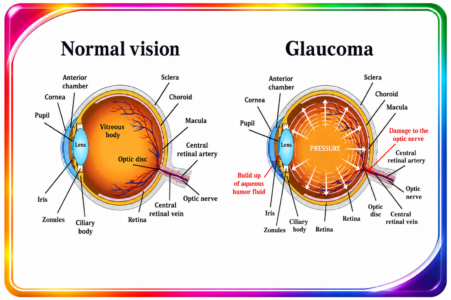
Glaucoma is a group of eye conditions in which the optic nerve becomes progressively damaged. Increased pressure inside the eye is an important risk factor, but glaucoma can also occur when eye pressure is within the statistically normal range. Similarly, not everyone with high eye pressure develops glaucoma.
The eye continuously produces a clear fluid called aqueous humor. This fluid normally circulates through the front part of the eye and drains through the drainage angle. When fluid does not drain properly, eye pressure may increase. In susceptible individuals, this pressure and other factors can contribute to optic nerve damage.
Why Is Glaucoma Called the “Silent Thief of Sight”?
Glaucoma is sometimes called the silent thief of sight because the most common forms may progress slowly without obvious symptoms.
Peripheral or side vision may gradually become affected before a person notices a significant change in everyday vision. By the time symptoms become obvious, permanent optic nerve damage may already have occurred.
What Are the Types of Glaucoma?
There are several types of glaucoma. The most common include:
1. Open-Angle Glaucoma
Primary open-angle glaucoma is one of the most common forms of glaucoma. The drainage angle remains open, but aqueous fluid does not drain efficiently enough.
The disease may progress slowly and without noticeable symptoms, which makes regular eye examinations particularly important.
2. Angle-Closure Glaucoma
In angle-closure glaucoma, the drainage angle can become blocked. An acute attack may cause a sudden increase in eye pressure.
Symptoms can include:
- Severe eye pain
- Red eye
- Blurred vision
- Headache
- Nausea or vomiting
- Seeing halos around lights
Acute angle-closure glaucoma is an eye emergency and requires immediate medical attention.
3. Normal-Tension Glaucoma
Normal-tension glaucoma can occur even when measured eye pressure is not considered unusually high. The optic nerve can still become damaged, which demonstrates why glaucoma cannot be diagnosed or excluded by eye-pressure measurement alone.
4. Secondary Glaucoma
Secondary glaucoma can develop as a result of another eye condition, injury, inflammation, medication or other underlying causes.
5. Congenital or Childhood Glaucoma
Some children are born with glaucoma or develop it during childhood. These forms are less common and require specialized ophthalmic evaluation.
What Are the Symptoms of Glaucoma?
Early Glaucoma Symptoms
Early glaucoma often causes no noticeable symptoms. This is one of the reasons why relying only on symptoms is not an effective way to detect glaucoma.
Later Glaucoma Symptoms
As glaucoma progresses, a person may experience:
- Gradual loss of peripheral vision
- Difficulty seeing objects from the side
- Blind spots
- Reduced visual field
- Difficulty navigating in unfamiliar surroundings
- Advanced vision loss
Untreated glaucoma can eventually result in blindness.
What Causes Glaucoma?
The exact cause varies depending on the type of glaucoma.
In many cases, problems with the drainage of aqueous humor can contribute to increased intraocular pressure. Elevated eye pressure can increase the risk of optic nerve damage. However, high eye pressure does not automatically mean that a person has glaucoma, and glaucoma may also occur in people with normal eye pressure.
Other factors can contribute to glaucoma risk, depending on the individual and type of glaucoma.
Who Is at Risk of Glaucoma?
Anyone can develop glaucoma, but the risk can be higher in certain individuals.
Important risk factors may include:
- Increasing age
- Family history of glaucoma
- Previous eye injury
- Certain medical conditions
- Certain medications, including prolonged or inappropriate corticosteroid use
- Anatomical characteristics of the eye
- Previous eye surgery or other eye disorders
A family history of glaucoma is particularly important because glaucoma can run in families.
If you have a close family member with glaucoma, discuss an appropriate eye-screening schedule with your ophthalmologist.
Can Glaucoma Be Detected Early?
Yes. Early glaucoma can often be detected through a comprehensive eye examination, even before significant symptoms develop.
Depending on the patient’s age, symptoms and risk factors, an ophthalmologist may perform several tests.
Common Glaucoma Tests
1. Tonometry
Tonometry measures intraocular pressure (IOP).
Although eye pressure is an important part of glaucoma evaluation, pressure measurement alone cannot diagnose or rule out glaucoma because glaucoma can occur at different pressure levels.
2. Dilated Eye Examination
The ophthalmologist examines the optic nerve and other structures inside the eye after dilating the pupils.
3. Visual Field Test
A visual field test evaluates peripheral vision and can identify areas of vision loss that may be associated with glaucoma.
4. Optic Nerve Examination
The appearance of the optic nerve is carefully evaluated for changes suggestive of glaucoma.
5. OCT Scan
Optical Coherence Tomography (OCT) can provide detailed images and measurements of retinal and optic-nerve structures. It may help detect structural changes and monitor glaucoma over time.
6. Gonioscopy
Gonioscopy allows the ophthalmologist to examine the drainage angle of the eye and can help distinguish between different types of glaucoma.
What Is the Treatment for Glaucoma?
Glaucoma treatment is individualized according to the type and severity of glaucoma, eye pressure, optic nerve status, visual field findings and other patient-specific factors.
The main treatment options include:
1. Glaucoma Eye Drops
Prescription eye drops are commonly used to lower eye pressure. Some medicines reduce aqueous-fluid production, while others improve fluid drainage.
Glaucoma eye drops generally need to be used consistently as prescribed. Stopping treatment without consulting your ophthalmologist can allow eye pressure to rise and glaucoma to progress.
2. Laser Treatment
Laser treatment can be appropriate for selected types of glaucoma.
For example, laser trabeculoplasty may be used in some patients with open-angle glaucoma to improve aqueous-fluid drainage and lower eye pressure.
Other laser procedures may be considered for particular types of angle-closure or other glaucoma.
3. Glaucoma Surgery
If eye pressure cannot be adequately controlled with medication or laser treatment, glaucoma surgery may be considered.
The appropriate procedure depends on the type and severity of glaucoma and the individual patient’s circumstances.
Can Glaucoma Be Cured?
At present, there is no cure that reverses established glaucoma damage. However, appropriate treatment can help control the disease and reduce the risk of further optic nerve damage and vision loss.
Importantly, treatment generally cannot restore vision that has already been permanently lost because of glaucoma. The goal is to preserve the remaining vision and prevent or slow further damage.
This is why early detection and long-term follow-up are so important.
Can Glaucoma Cause Permanent Vision Loss?
Yes.
Damage to the optic nerve from glaucoma can result in permanent vision loss. Once optic nerve fibers have been damaged, the lost vision generally cannot be restored.
However, early diagnosis and appropriate treatment can help protect remaining vision and slow or stop further progression.
Is Glaucoma Related to Eye Pressure?
Eye pressure is an important glaucoma risk factor, but glaucoma is more complicated than simply having “high eye pressure.”
Some people with elevated eye pressure never develop glaucoma, while some people develop glaucoma despite having eye pressure within a statistically normal range.
Therefore, a complete glaucoma assessment should consider the optic nerve, visual field, eye pressure and other clinical findings.
How Often Should You Have a Glaucoma Check-Up?
The appropriate examination interval depends on your age, family history, eye health, previous examination findings and other risk factors.
People at increased risk may need more frequent examinations. Your ophthalmologist can recommend an appropriate screening schedule based on your individual risk profile.
If you already have glaucoma, regular follow-up is important to monitor eye pressure, optic nerve health and visual fields.
Can Glaucoma Be Prevented?
There is currently no guaranteed way to prevent every type of glaucoma.
However, early detection is one of the most important ways to reduce the risk of severe glaucoma-related vision loss. Regular comprehensive eye examinations can identify glaucoma before substantial vision loss occurs.
People with a family history of glaucoma should inform their ophthalmologist and undergo appropriate eye examinations.
What Happens If Glaucoma Is Left Untreated?
Untreated glaucoma can progressively damage the optic nerve.
The disease may initially affect peripheral vision. As it progresses, the visual field can become increasingly restricted, and advanced glaucoma can result in severe visual impairment or blindness.
Because early glaucoma may have no symptoms, waiting until vision becomes noticeably worse is not advisable.
When Should You See an Ophthalmologist Immediately?
Sudden symptoms such as:
- Severe eye pain
- Redness of the eye
- Sudden blurred vision
- Nausea or vomiting
- Sudden visual disturbance
- Halos around lights
can occur with acute angle-closure glaucoma and require urgent ophthalmic evaluation.
Do not wait for symptoms to settle on their own.
Glaucoma Treatment in Mumbai
If you are searching for glaucoma treatment in Mumbai, the first step should be a comprehensive evaluation by an ophthalmologist.
A glaucoma assessment may include:
- Detailed eye examination
- Intraocular pressure measurement
- Optic nerve assessment
- Visual field testing
- OCT, when indicated
- Gonioscopy, when indicated
- Review of family history and other risk factors
Treatment is then selected according to the patient’s individual diagnosis and risk of progression.
Glaucoma: Frequently Asked Questions
1. What is glaucoma?
Glaucoma is a group of eye diseases that can damage the optic nerve and cause permanent vision loss. Early glaucoma may not produce noticeable symptoms.
2. What are the first symptoms of glaucoma?
Many people have no symptoms in the early stages. Peripheral vision loss may develop gradually as the disease progresses.
3. Can glaucoma cause blindness?
Yes. If glaucoma is not diagnosed and treated, progressive optic nerve damage can eventually cause severe vision loss and blindness.
4. Is high eye pressure the same as glaucoma?
No. High eye pressure is an important risk factor, but not everyone with high pressure develops glaucoma. Glaucoma can also occur in people with normal eye pressure.
5. Can glaucoma be cured?
There is currently no cure that reverses existing glaucoma damage. Treatment can help control the disease and prevent or slow further vision loss.
6. Can glaucoma vision loss be reversed?
Vision already lost because of permanent optic nerve damage generally cannot be restored. Early diagnosis and treatment aim to preserve the remaining vision.
7. What tests are used to diagnose glaucoma?
Depending on the patient, glaucoma evaluation may include eye-pressure measurement, dilated optic nerve examination, visual field testing, OCT and examination of the drainage angle.
8. What is the treatment for glaucoma?
Treatment may include prescription eye drops, laser procedures or glaucoma surgery, depending on the type and severity of glaucoma.
9. Do glaucoma patients need eye drops for life?
Many patients require long-term treatment, but the duration and type of treatment vary. Glaucoma medications should be used exactly as prescribed and should not be stopped without discussing it with an ophthalmologist.
10. Can glaucoma occur without high eye pressure?
Yes. Normal-tension glaucoma is an example of glaucoma that can occur without unusually high measured eye pressure.
11. Is glaucoma hereditary?
A family history of glaucoma can increase a person’s risk. People with close relatives who have glaucoma should inform their ophthalmologist and discuss appropriate screening.
12. Can glaucoma affect both eyes?
Yes. Glaucoma can affect one or both eyes, and the severity may differ between the two eyes.
13. Is glaucoma surgery always required?
No. Many patients can be managed with medications and/or laser treatment. Surgery may be considered when adequate pressure control cannot be achieved with other treatments.
14. Is glaucoma laser treatment painful?
Laser treatment is generally performed using numbing eye drops, and many patients experience little or no discomfort. Temporary irritation or blurred vision can occur afterward.
15. How can I protect my vision from glaucoma?
The most important steps are regular eye examinations, appropriate glaucoma screening when indicated, following your prescribed treatment and attending follow-up appointments.